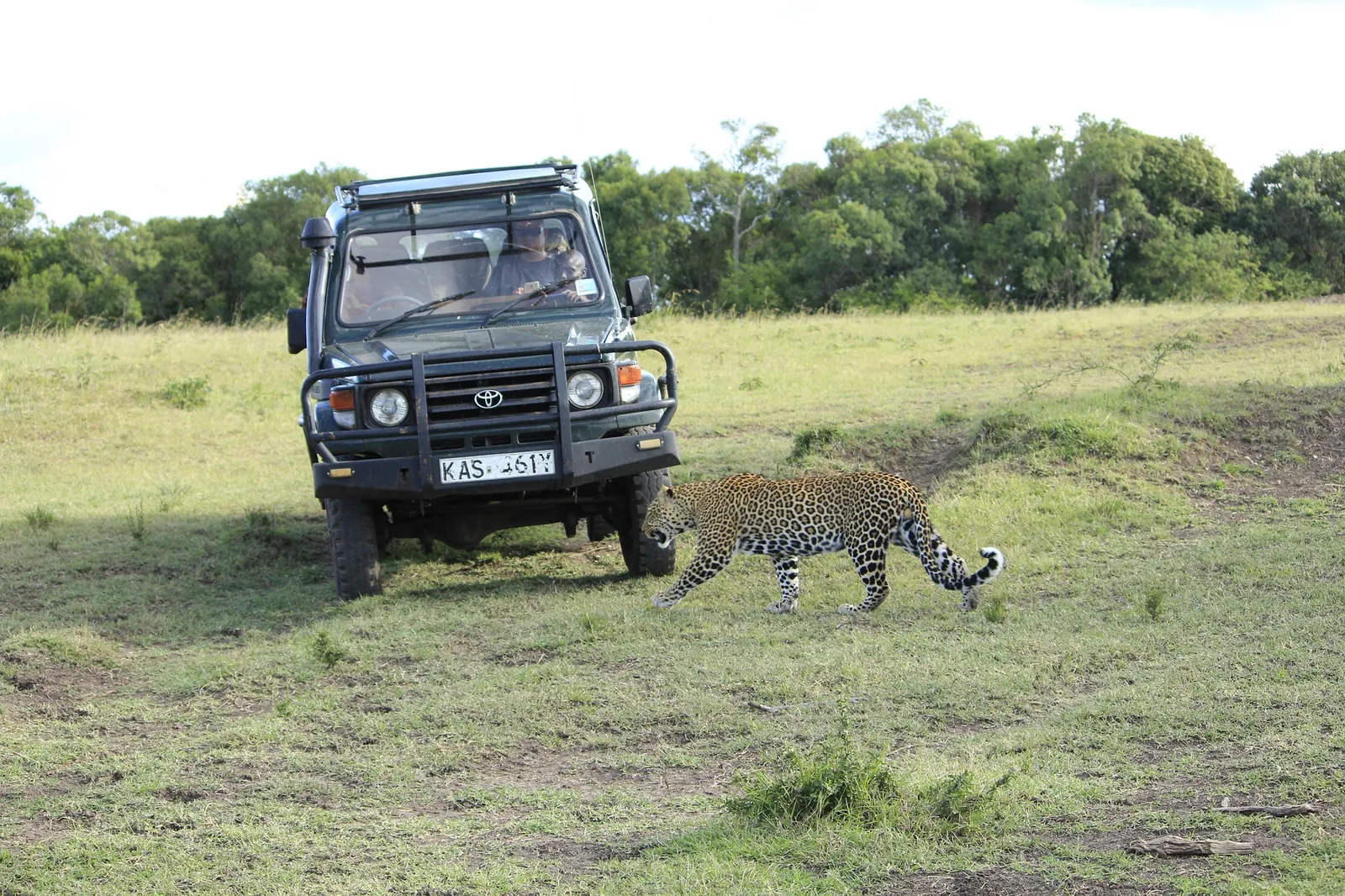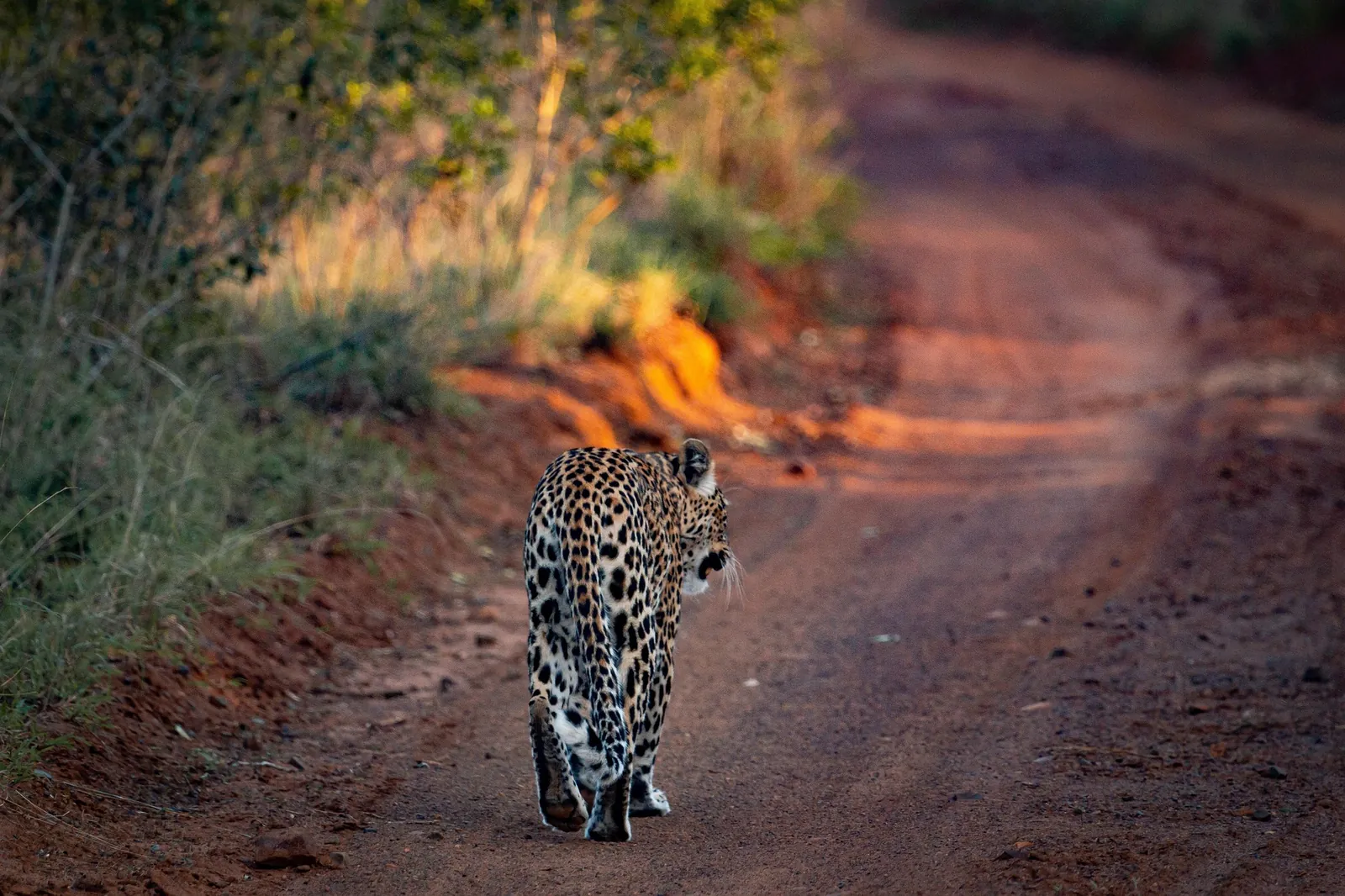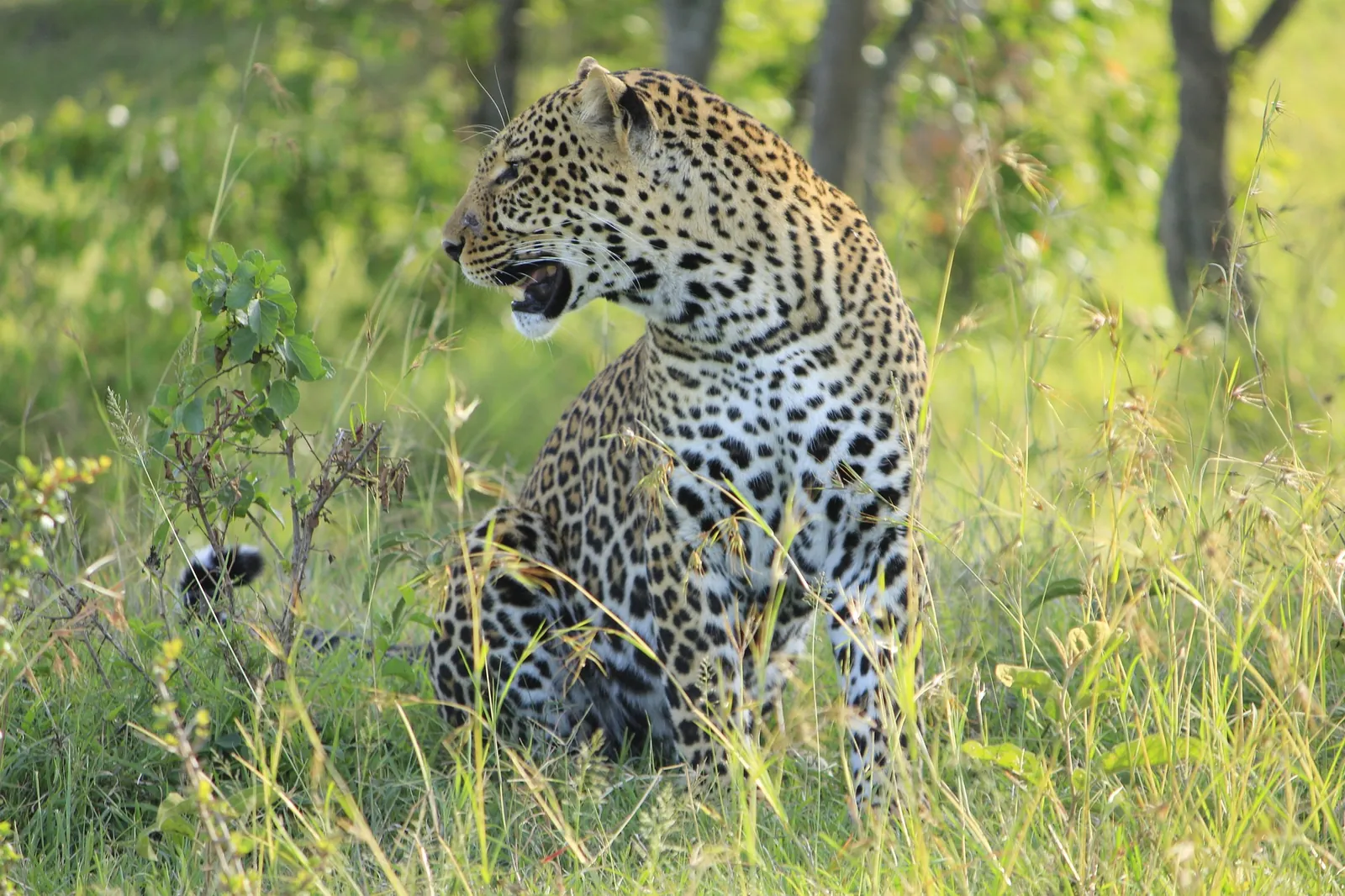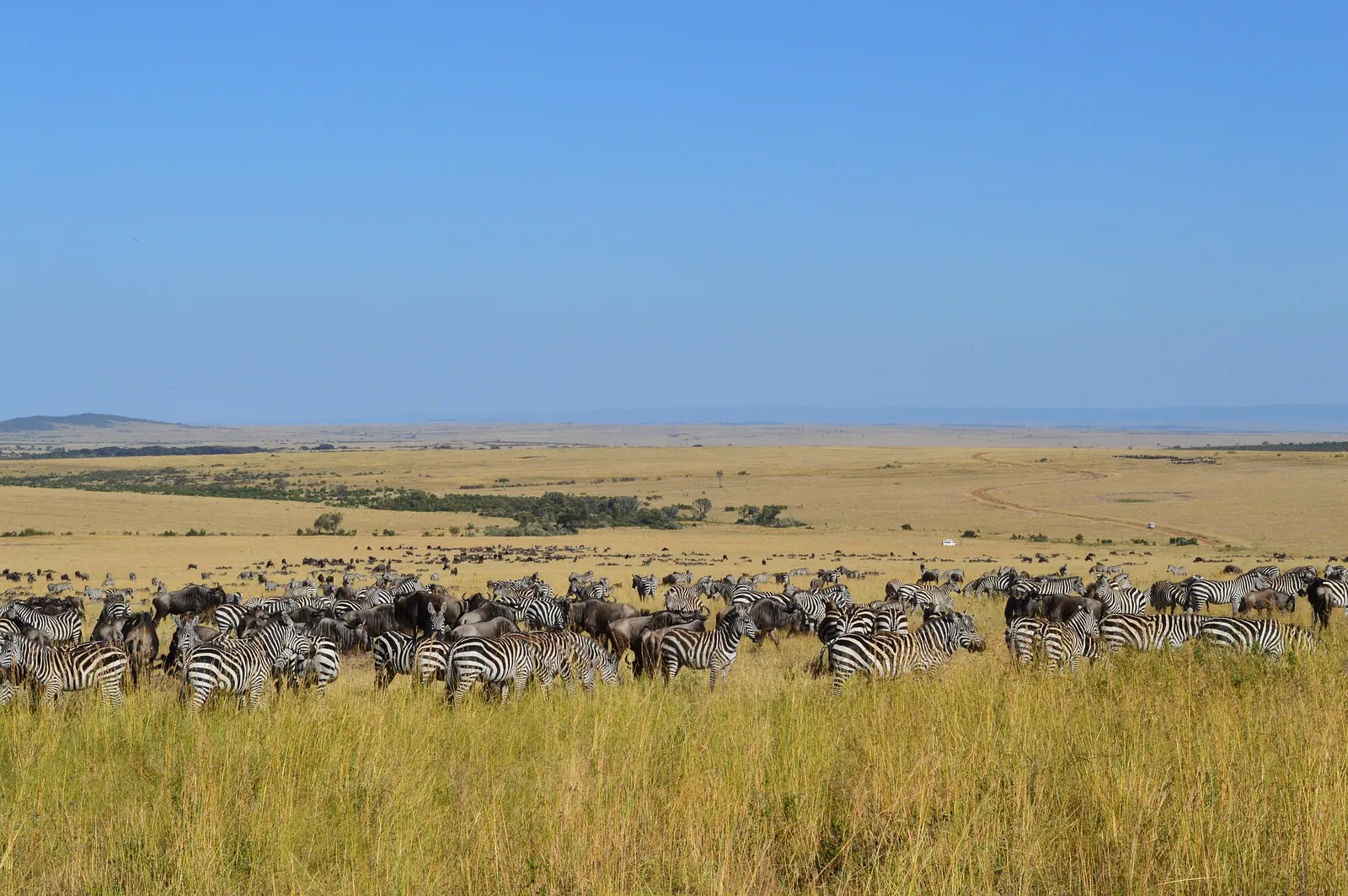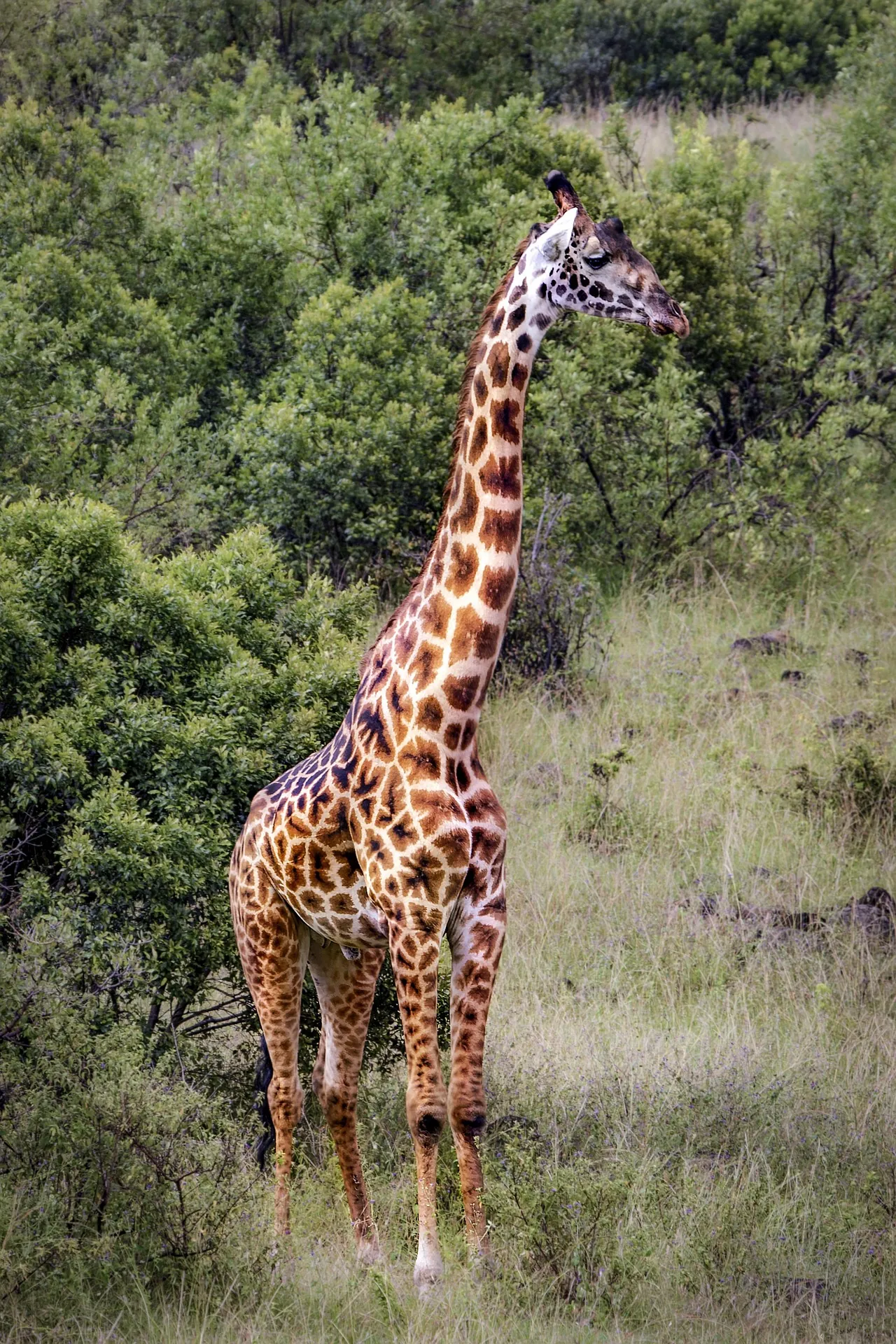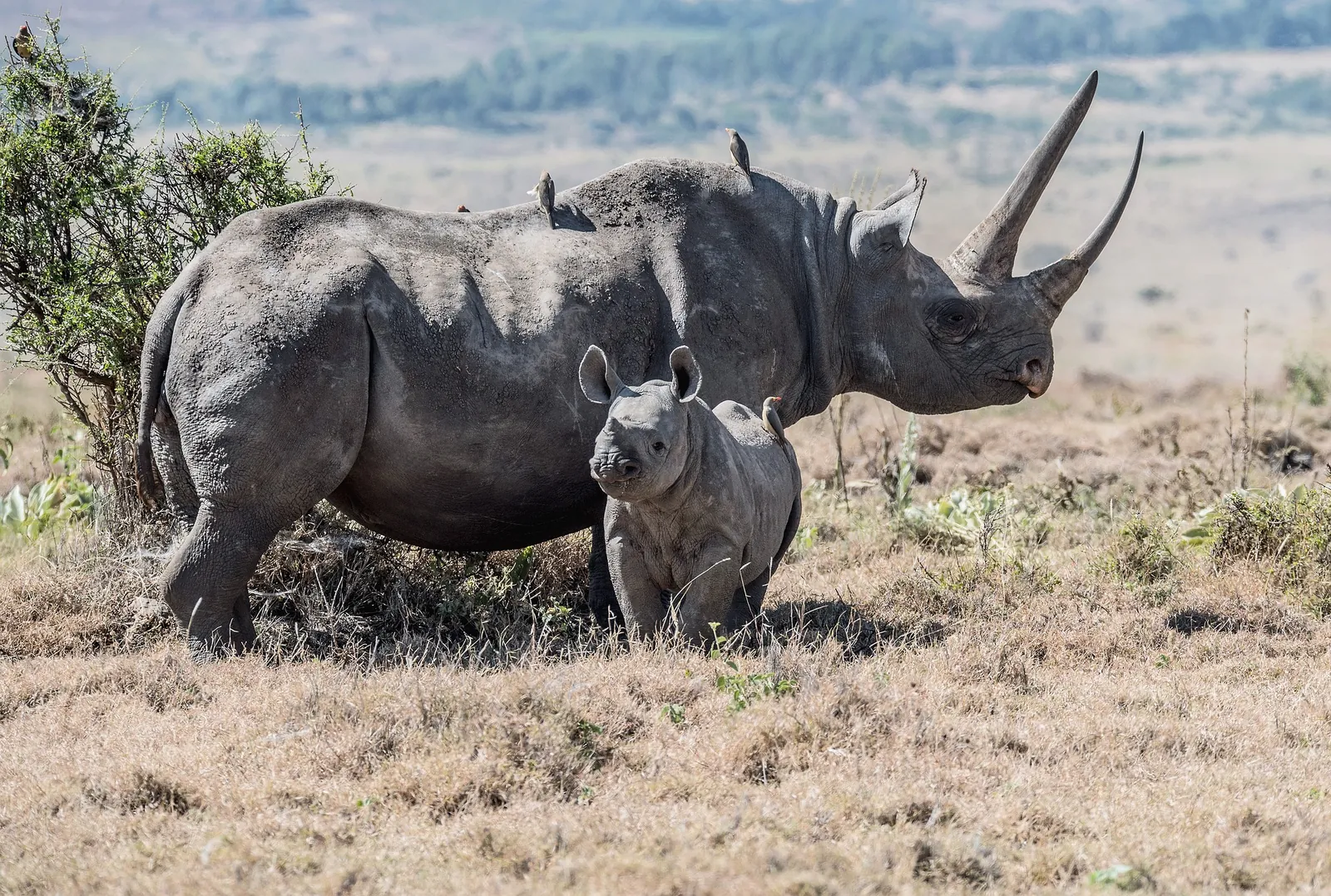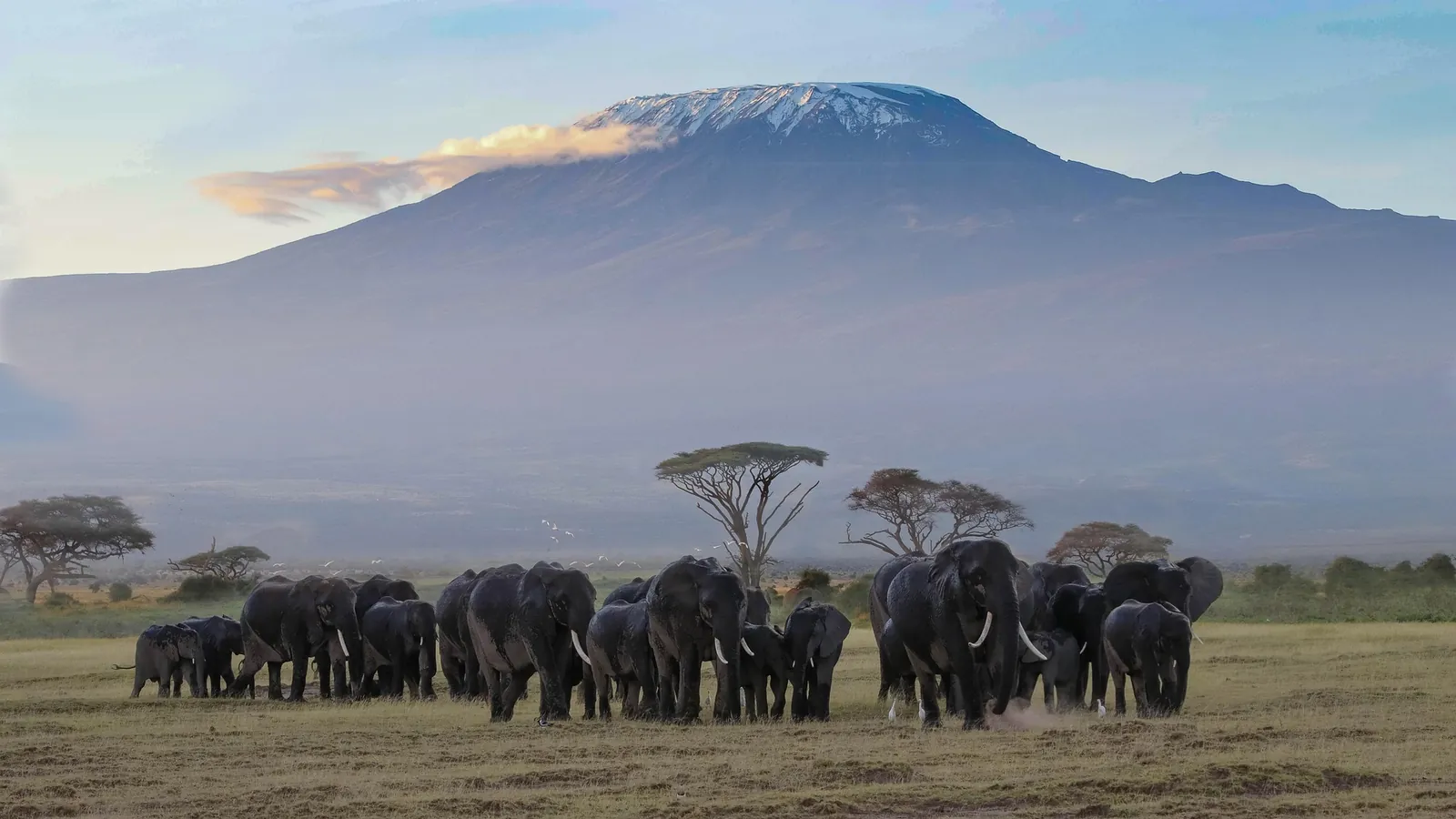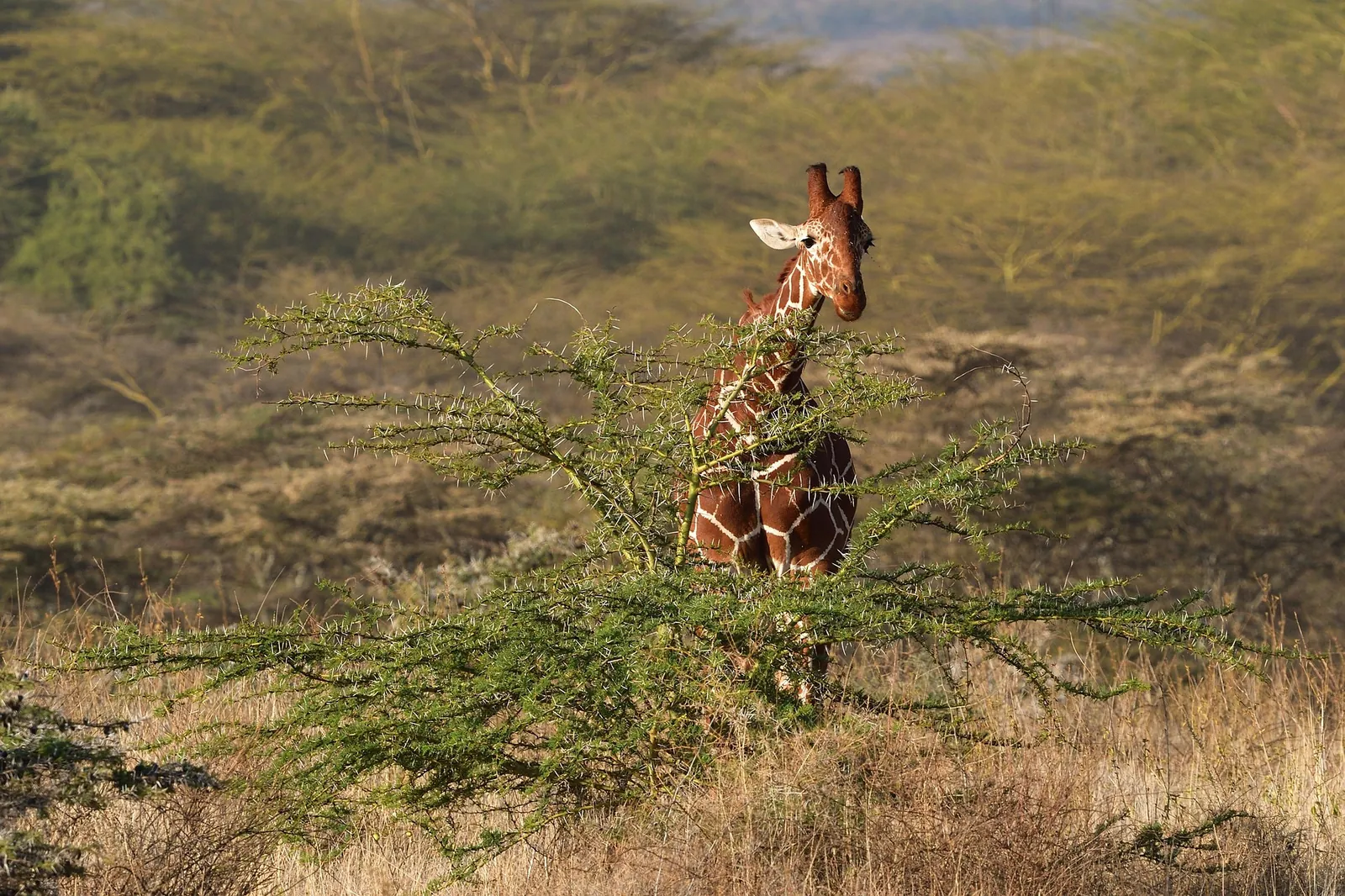
A high-end Kenya safari is defined by land access, guiding quality and schedule control — not by thread count. In practice that means private or community conservancy land with capped vehicle numbers, professionally certified guides, and the freedom to stay at a sighting as long as you want. Rates typically start around USD 950 per person per night fully inclusive.
The difference between high-end and simply expensive
These are not the same thing, and conflating them is how people overspend on the wrong trip. It is entirely possible to pay a premium rate for a beautiful property in a crowded public reserve and have a worse week than someone paying less at a smaller camp inside a conservancy with a vehicle cap.
The things that genuinely separate a high-end safari are unglamorous and rarely photographed: what land you may drive on, how many other vehicles may join your sighting, who is guiding you, and whether you can change your mind at 06:00.
Where the money is worth spending
| Upgrade | Verdict | Why |
|---|---|---|
| Land access | Worth it | A conservancy bed with a vehicle cap changes every game drive. Highest-return line in any quote. |
| Guiding quality | Worth it | A top-tier guide finds what others drive past. Compounds over a week. |
| Private vehicle | Usually worth it | Schedule control, especially for photography and families. Cost divides across your party. |
| Internal flights | Worth it over 2+ regions | Turns a six-hour transfer into forty-five minutes. Buys back game-drive time. |
| Room size and interiors | Diminishing returns | You are in the room to sleep and shower. Rarely what people remember. |
| Extra regions | Often not worth it | Three regions in seven nights means two travel days. Two done properly usually wins. |
| Peak-season dates | Depends entirely | Buys the migration; costs most and brings the most vehicles. Shoulder season is often better value. |
Common ways people overspend
- Buying architecture instead of location. The most photographed property in a busy area loses to a plainer camp on better land, every time.
- Adding a third region to a seven-night trip. Two travel days out of seven, to see less of each place.
- Booking peak season by default. If the migration is not your specific goal, shoulder season costs less and delivers better light and fewer vehicles.
- Paying for exclusive use as a couple. Sole-use makes sense from around six travellers. Below four you are funding empty bedrooms.
- Treating the private vehicle as the fix for crowding. It controls your vehicle, not everyone else's. The land category is the lever.