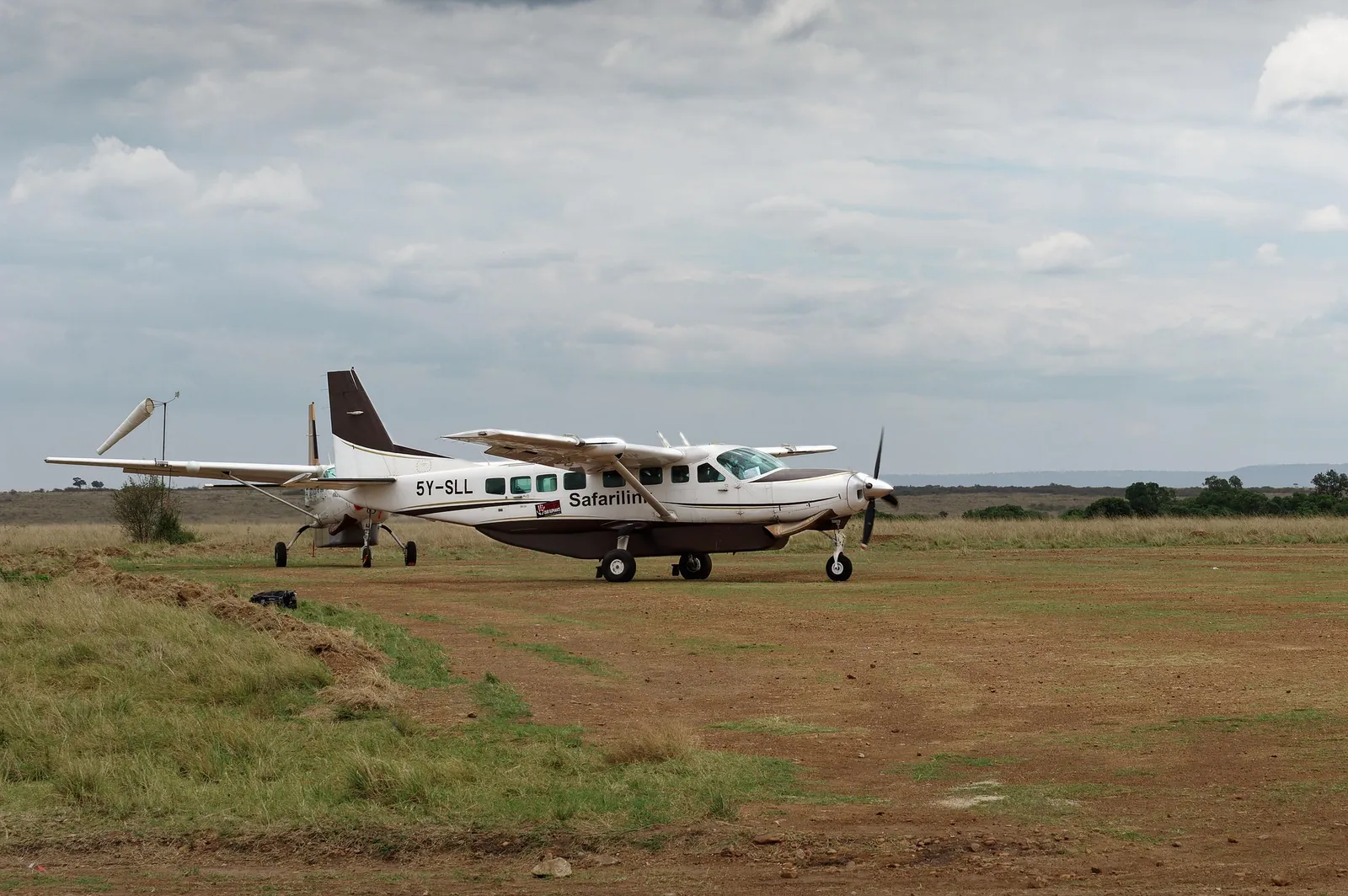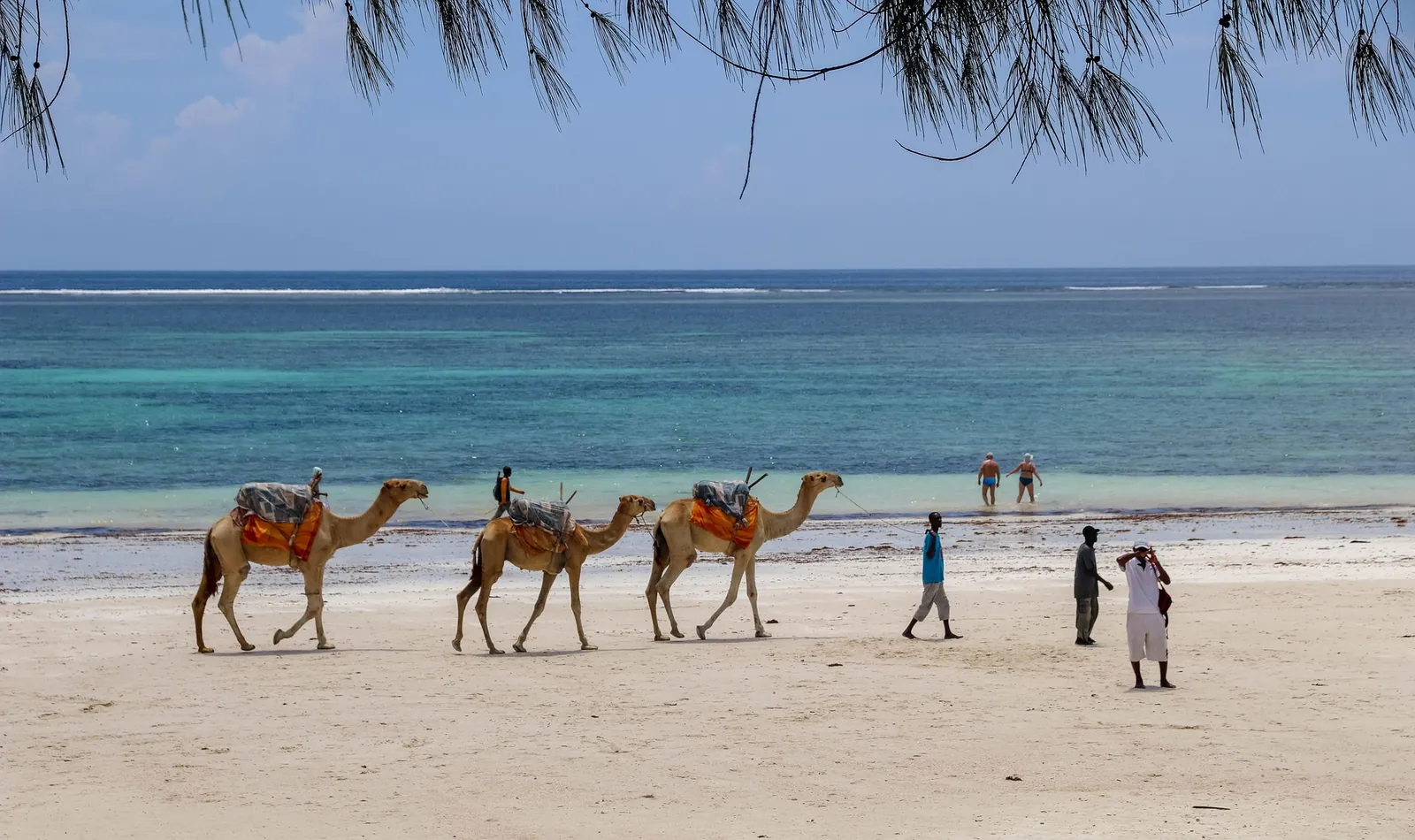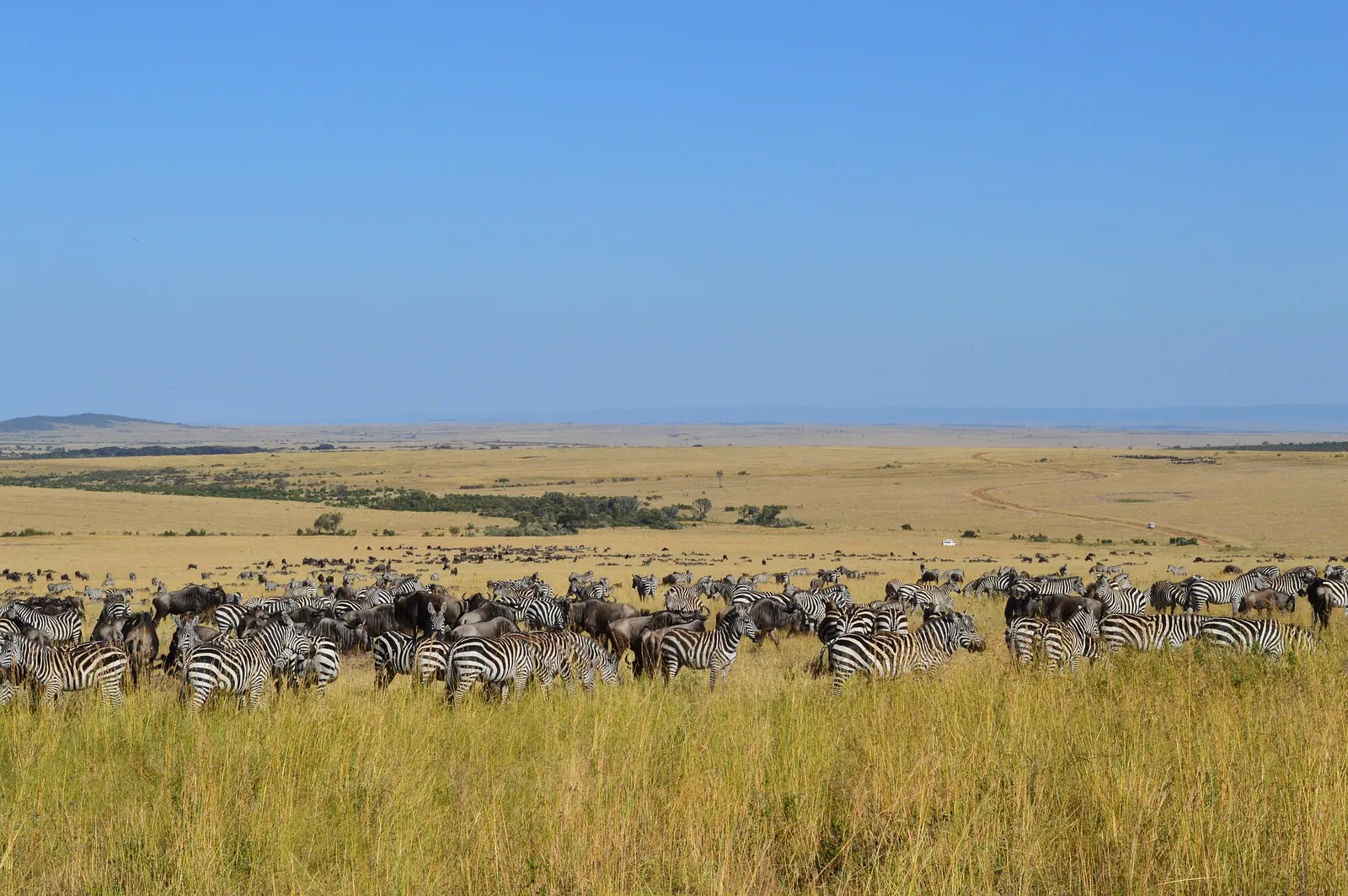
A private Kenya safari means three things bought separately and often confused: a private vehicle and guide used only by your party, private conservancy land where vehicle numbers are capped by agreement, and exclusive use of an entire camp or house. Most “private safari” quotes include only the first.
The three kinds of privacy, and what each one buys
This is the distinction almost no operator page draws clearly, and it is the one that decides whether your safari feels exclusive or merely expensive.
| What you buy | What changes | What it does not fix |
|---|---|---|
| Private vehicle & guide | Your schedule, your stops, your sighting duration. No strangers in the row behind you. | How many other vehicles arrive at the same leopard. |
| Private conservancy land | Vehicle numbers capped per sighting. Off-road driving, night drives and walking become permitted. | Whether the camp itself is full of other guests. |
| Exclusive use of a camp or house | No other guests at all. Your mealtimes, your staff, your hours. | Nothing — but it needs the group size to justify it. |
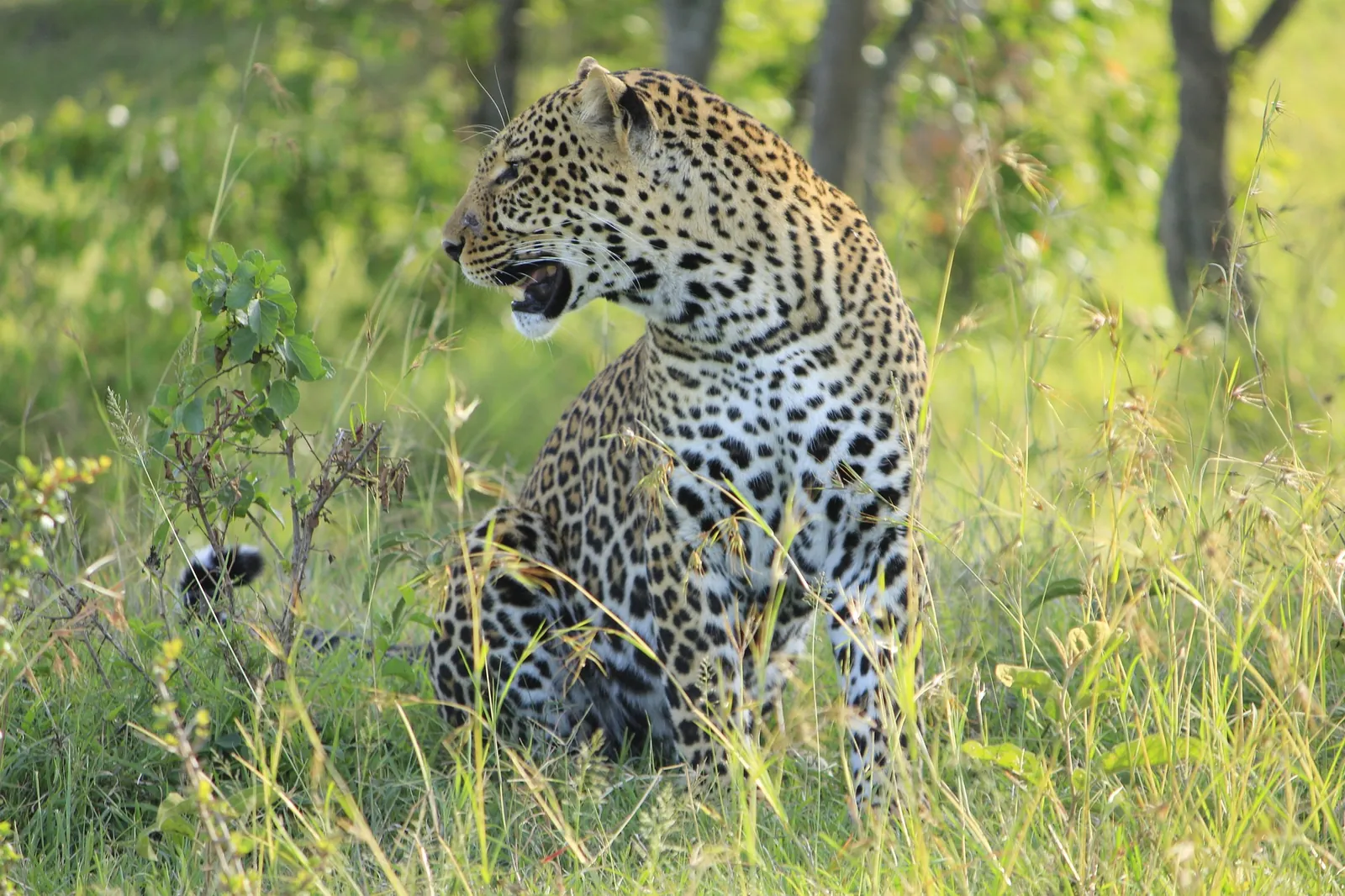
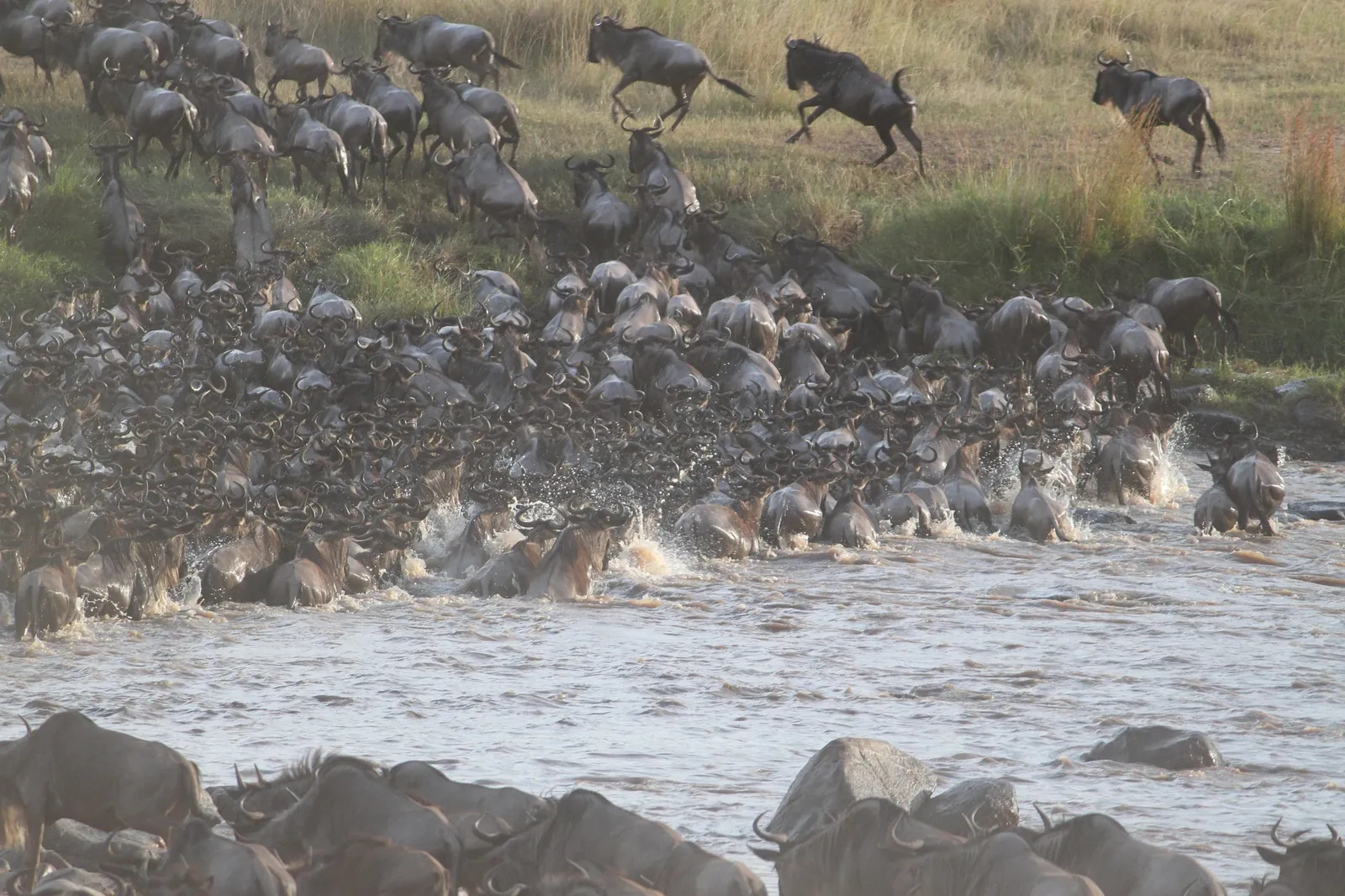
How to read any private safari quote: ask which of those three rows you are paying for. If the answer is only the first, you have bought a private vehicle in a public park — which on a July morning in the Masai Mara National Reserve may still mean a crowded river crossing.
Where privacy is actually possible in Kenya
Private land is not evenly distributed. These are the conservancies and group ranches where density caps are contractual rather than marketing language — and where the itineraries on this page rotate between.