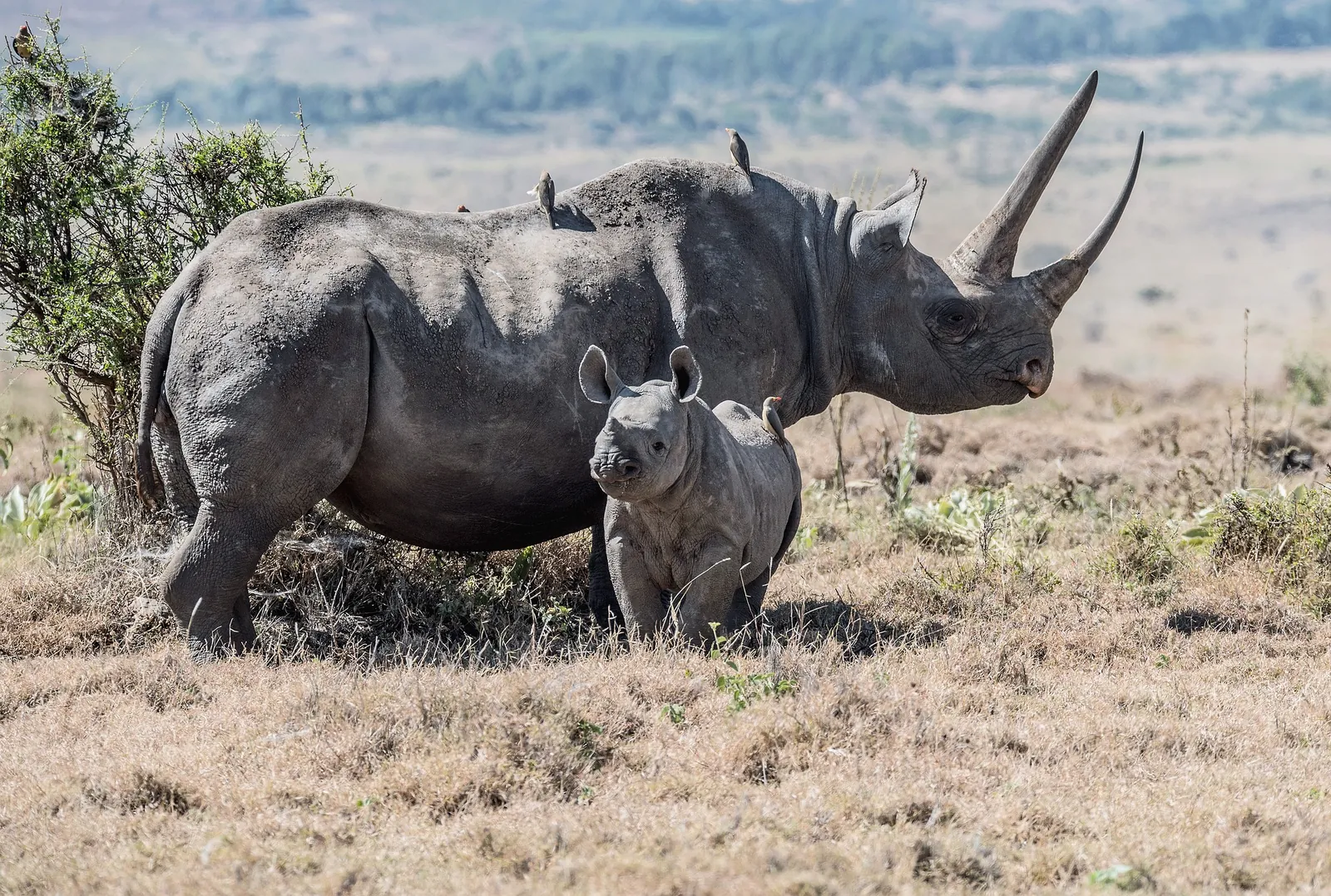
Laikipia is a high plateau north of Mount Kenya composed almost entirely of private ranches and community conservancies rather than national park land. That ownership structure is why rhino tracking on foot, horseback safaris, camel treks and night drives are all permitted here, and why the region holds some of East Africa's most significant black rhino populations.
A region defined by who owns the land
Laikipia is unusual in East Africa: there is no large national park at its centre. Instead there is a mosaic of private ranches, community conservancies and group ranches, many of which converted from cattle operations to wildlife conservancies over recent decades.
This matters practically. Activity restrictions in Kenya are attached to land category, not to region. Because Laikipia is private land, the things a national park prohibits — going off-road, walking, driving after dark, riding a horse among wildlife — are all available, subject to each conservancy's own rules.
The principal conservancies
| Conservancy | Character | Notable for |
|---|---|---|
| Lewa Wildlife Conservancy | A UNESCO World Heritage-listed conservation landscape. | Rhino tracking on foot with the resident monitoring team; Grevy's zebra. |
| Ol Pejeta Conservancy | One of East Africa's largest black rhino sanctuaries. | Rhino density, chimpanzee sanctuary, strong research access. |
| Segera | Private conservancy combining wildlife with art and sustainability programming. | An unusually design-led stay in a working conservation landscape. |
| Borana | Working ranch and conservancy, joined with Lewa across a shared boundary. | Horseback safaris and a very large traversing area. |
| Loisaba | Dramatic escarpment country on the northern edge. | Star beds, camel treks and long views over the Ewaso valley. |
| Mbirikani / Chyulu Hills | Group-ranch land toward the Amboseli side. | Horseback under Kilimanjaro; strong community-lease model. |
CONFIRM Verify current conservancy partnerships, traversing rights and activity availability before publishing — these vary by camp and are periodically renegotiated.
What Laikipia does better than anywhere else in Kenya
- Rhino on foot. Tracking black or white rhino with the monitoring team is a genuine conservation activity, not a staged one — and it does not legally exist inside a national park.
- Horseback safaris. Plains game does not flee horses the way it flees vehicles, so riders routinely get closer than drivers do.
- Night drives. Aardvark, striped hyena, porcupine and genuinely nocturnal hunting behaviour.
- Camel treks. Slow, quiet, and well suited to travellers who want distance covered on foot with the load carried.
- Northern species. Reticulated giraffe, Grevy's zebra and Beisa oryx appear here at the southern edge of their range.
How Laikipia fits into a wider private itinerary
Laikipia pairs naturally with the Mara — conservancy activity and rhino country first, then classic big-cat plains — or with Samburu directly to the north for a dry-country circuit that few itineraries attempt.
Two of the six routes on our private Kenya safari page are built around Laikipia, and the region's camps are profiled in the Laikipia destination guide.
Frequently Asked Questions
Is Laikipia a national park?
No — and that is the point. Laikipia is a mosaic of private ranches and community conservancies with no large national park at its centre, which is why walking, horseback riding and night drives are permitted here when they are prohibited in park land.
Is Laikipia good for rhino?
It is one of the strongest rhino regions in East Africa. Ol Pejeta hosts one of the largest black rhino populations on the continent, and Lewa's monitoring programme allows tracking on foot with the resident team.
Can you do a walking safari in Laikipia?
Yes. Walking is permitted across most Laikipia conservancies with an armed guide, and several camps build multi-hour or full-day walks into their standard activity list rather than charging them as extras.
How does Laikipia compare to the Masai Mara?
The Mara has higher big-cat density and the Great Migration; Laikipia has rhino, a far wider activity range, and considerably fewer vehicles. Many itineraries combine both rather than choosing, since they are complementary rather than competing.
How many nights should I spend in Laikipia?
Three nights is a practical minimum to use the activity range properly — a walk, a ride or rhino track, and standard game drives. Two nights works only if you are treating it as a single-activity stop.