Laikipia is less a single park than a landscape — a high plateau north of Mount Kenya made up almost entirely of private and community conservancies, including Ol Pejeta and Lewa, two of Africa's most significant rhino conservation areas.
Overview
Because almost all of Laikipia is privately or communally owned rather than government park land, activities restricted elsewhere in Kenya — walking safaris, night drives, horseback and camel safaris — are widely available here.
Wildlife You'll See
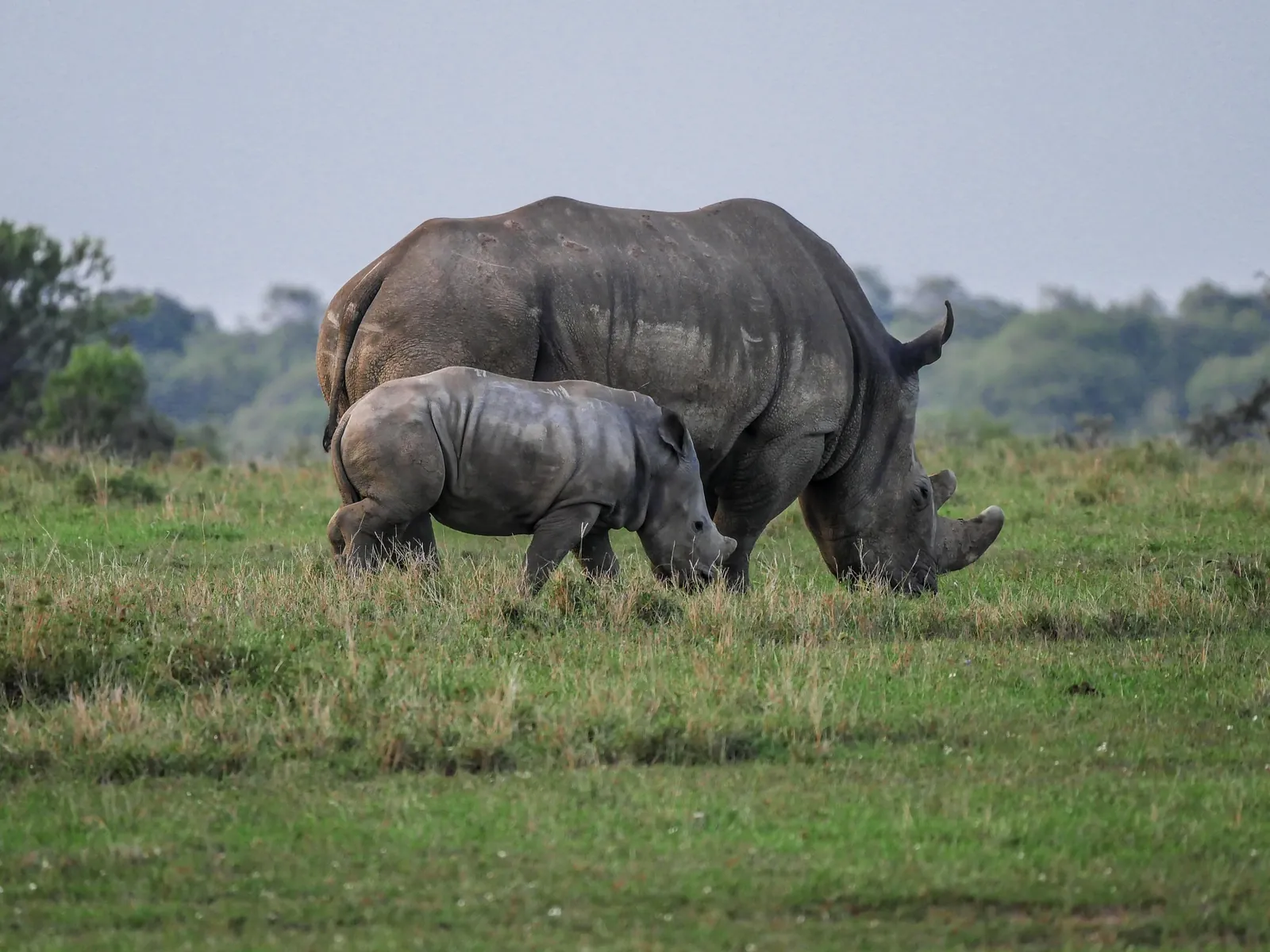
Laikipia holds significant black and white rhino populations. Beyond rhino, the region supports healthy elephant, lion, and a full range of plains game, along with reticulated giraffe and Grevy's zebra at the southern edge of their range.
Best Time to Visit
Luxury Accommodation
Properties range from exclusive-use villas to classic tented camps. See full profiles for Ol Donyo Lodge, Segera Retreat, and Sirikoi.
Signature Experiences
This is Kenya's premier region for walking safaris and horseback riding. Night drives reveal nocturnal species, and several conservancies offer direct rhino-tracking with resident research teams.
Combine With
Laikipia combines naturally with the Masai Mara for contrast, or with Mount Kenya given their geographic proximity.
Frequently Asked Questions
What makes Laikipia different from a national park safari?
Laikipia is almost entirely private and community conservancy land, permitting walking safaris, horseback riding, and night drives not allowed in most national parks.
Is Laikipia good for rhino viewing?
Yes — particularly Ol Pejeta and Lewa, considered among the strongest rhino-viewing regions in Kenya.
How many days should I spend in Laikipia?
Three nights is generally enough to experience the region's distinct activities.